Regenerative
What does it mean when beef claims to be regenerative?
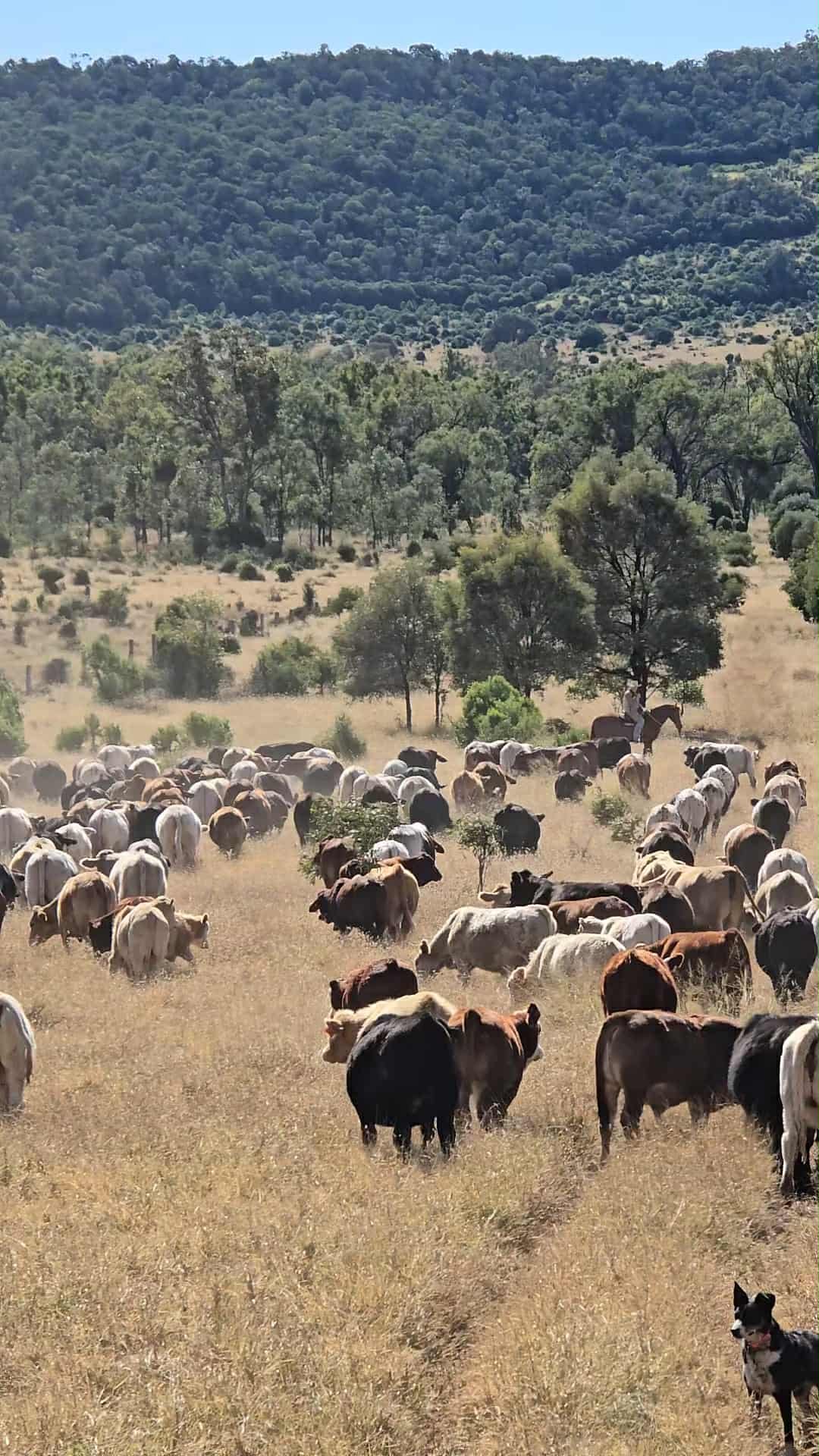
Beef is called regenerative when it comes from properties that raise cattle in ways that restore the land rather than wear it out. Regeneratively grazed animals rebuild soils, increases biodiversity, and improves ecosystem health.
🌱 What “regenerative” means in our daily practice and why does it matter🌍
Holistic land management — We manage our cattle, soil, water, and vegetation as an interconnected system rather than separate parts.
Rotational or adaptive grazing — Our cattle are moved frequently to mimic natural herd movement, giving plants time to recover and helping grasses grow deeper roots. Just like on the Savanna. This improves soil structure, reduces erosion and grows grass.
Building soil health — Our grazing style increases soil organic matter, which boosts fertility, water retention, and carbon storage and grows nutrient dense feed that our cattle are nourished by and of course ultimately you too.
Biodiversity support — Healthy soils and varied grazing patterns encourage more plant, insect, and wildlife diversity. Again nutrient dense buffet for the cattle.
Reduced external inputs — Regenerative systems rely less if at all on synthetic fertilizers, pesticides, and heavy machinery.
Animal welfare focus — Our cattle are grazed on natural grass pastures their entire life, without any antibiotics or hormones.
Regenerative beef improves the environment — leaving soil healthier, increasing carbon sequestration, and supporting resilient ecosystems.
Thanks for supporting a system that works to leave land better today than we found yesterday.